“Wise Passiveness”- describe a moment in your own life where such a phrase might apply.
In his poem “Expostulation and Reply”, William Wordsworth exclaims that “we can feed this mind of ours in wise passiveness” (Wordsworth line 24). At first glance to me, the words “wise” and “passiveness” both held contrasting connotations. I can’t say I have ever previously acknowledged being “wise” and “passive” in the same light. I have always been taught that life is all about taking action and this will take me exactly to where I strive to be. In some scenarios, it is completely necessary to take action. However, after reading Wordsworth’s poem I have come to the realisation that through constant moving and not allowing yourself to be absorbed by the finer moments, you simply cannot learn all there is to know about life and yourself. This is exactly what I believe Wordsworth mean’t by “wise passiveness” (Wordsworth line 24). It is to let yourself be completely and utterly swept up in the serenity of a moment, removing your mind from what you know and allowing it to sail into the uncharted waters of subconsciousness, creating original thoughts. It’s allowing yourself to think beyond, feel more and have hope that in remaining still, you will be guided into a deeper understanding about yourself and the world around you. Wordsworth writes that this form of understanding is not something that can be taught from books or logical thought, only something that can be experienced by an individual them-self.
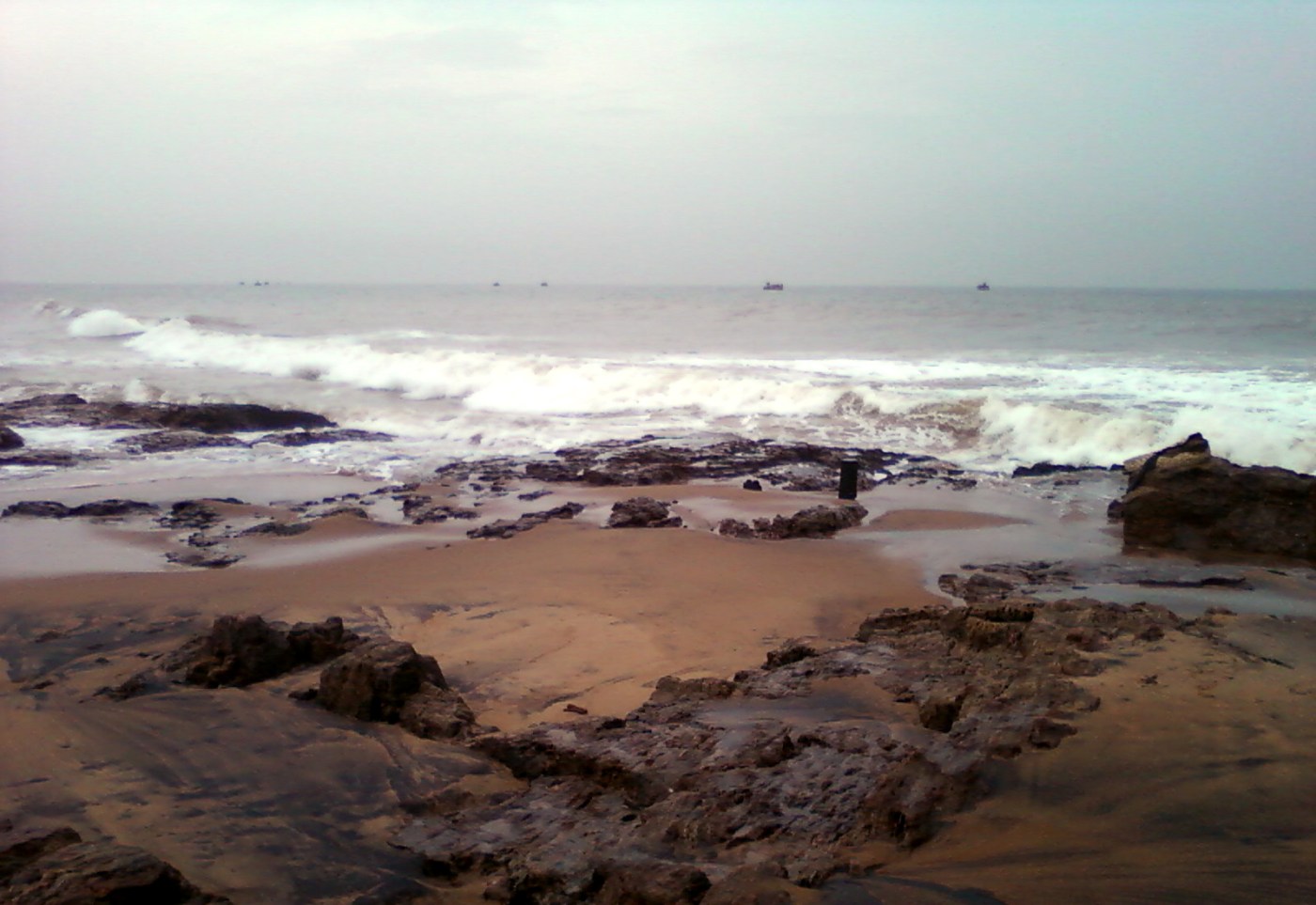
Wordsworth’s poem forced me to think about where “wise passiveness” occurs in the world. You might find it on a walk in spring, where the flowers bloom and glow beneath golden rays. Perhaps you might find it as you watch the clouds drift with the breeze. For me, it is when I’m sitting on a rock, overlooking a beach view on a rainy day. I love the way the rain smells as it hits the sentiment beneath me, how the waves roar into a white-wash yet the grey overtones make everything quiet, especially my mind. It is in these moments where I find I learn most about myself and what to do in situations. It allows me to delve deep into my own mind to pull from it rational thought, this is not something I can simply take from books and organised education.
This poem has not only given me significant insight into how one should approach learning about the world but also cemented my understanding of the enlightenment and romantic periods. I believe Wordsworth has perfectly encapsulated the two extremities in thought that occurred not only during these contrasting periods but today in our modern world. His poem stipulates that when there is a challenge ahead, we must enquire within our most inner-self through a process of “wise passiveness” to come to a reasonable conclusion. I believe as a society, we have a lot to learn from Wordsworth himself.
Quotes taken from: William Wordsworth’s poem ‘Wise Passiveness’.
 The Best of Literature
This is an exceptionally well written piece Teneille! Quite different from your peer review which is full of technical glitches. You express your understanding of what Wordsworth means by “wise passiveness” very well. Good work! But please be sure that if you have used any quotes that you acknowledge them, because they will be picked up in Turnitin at the end of semester 🙂
LikeLike
Hello Teneille, I really enjoyed your blog on ‘Expostulation and Reply’ as you clearly have a well-developed understanding of how one must be engaged in their surroundings to evoke a deeper understanding of the world – a theme that is addressed in many of Wordsworth’s writings. I liked how you immediately acknowledged the oxymoron of “wise passiveness” and used this to drive the rest of your blog, as well as adding in your own insight and experiences. When I read this poem, I was intrigued by Wordsworth’s argument that nature is the main source of intellect and that only by engaging with nature can one truly understand themselves and the world, and access knowledge. You touch on this when you mention that “Wordsworth writes that this form of understanding is not something that can be taught from books or logical thought” and when you say that “you might find [this knowledge] on a walk in spring, where the flowers bloom and glow beneath golden hours” but I would have loved to see even more on the significance of nature as this was a strong belief of Wordsworths’.
LikeLike